
Inspirations Newsletter - no. 15 - August 2026
Dear listeners,
Inspiration—the feeling of seeing or hearing or smelling or tasting or doing or learning something that makes you want to make things, or think about making things in a new way—is a big part of our process at Signal Hill. We talk about it all the time, amongst the editors and all the contributors. Everything we do is in some way (big or small, direct or indirect) inspired by many other things. Maybe it goes without saying, but this is of course how all art works! Still, we try to name it, because it helps us not forget.
That’s part of why we send these letters out every month. If you’re reading this one, it's probably because you think Signal Hill is worth your time, and maybe you’ve already decided it’s worth your money. We’re unbelievably grateful for that, and so, to thank you, we want to share what we’re inspired by. Maybe you’ll be inspired too.
If you’re not yet a member, this is a special August-only glimpse of what members get in their inbox every single month: five thoughtful recommendations from the five of us (and sometimes from special guests). If this one gets you thinking, and you want more, consider signing up to be a monthly sustaining member of Signal Hill.
If you’re already a member, THANK YOU. Consider telling a friend about us? (And did you know your membership gets you into the archive?)
Here’s this month’s inspirations, unlocked for everyone just for this month:
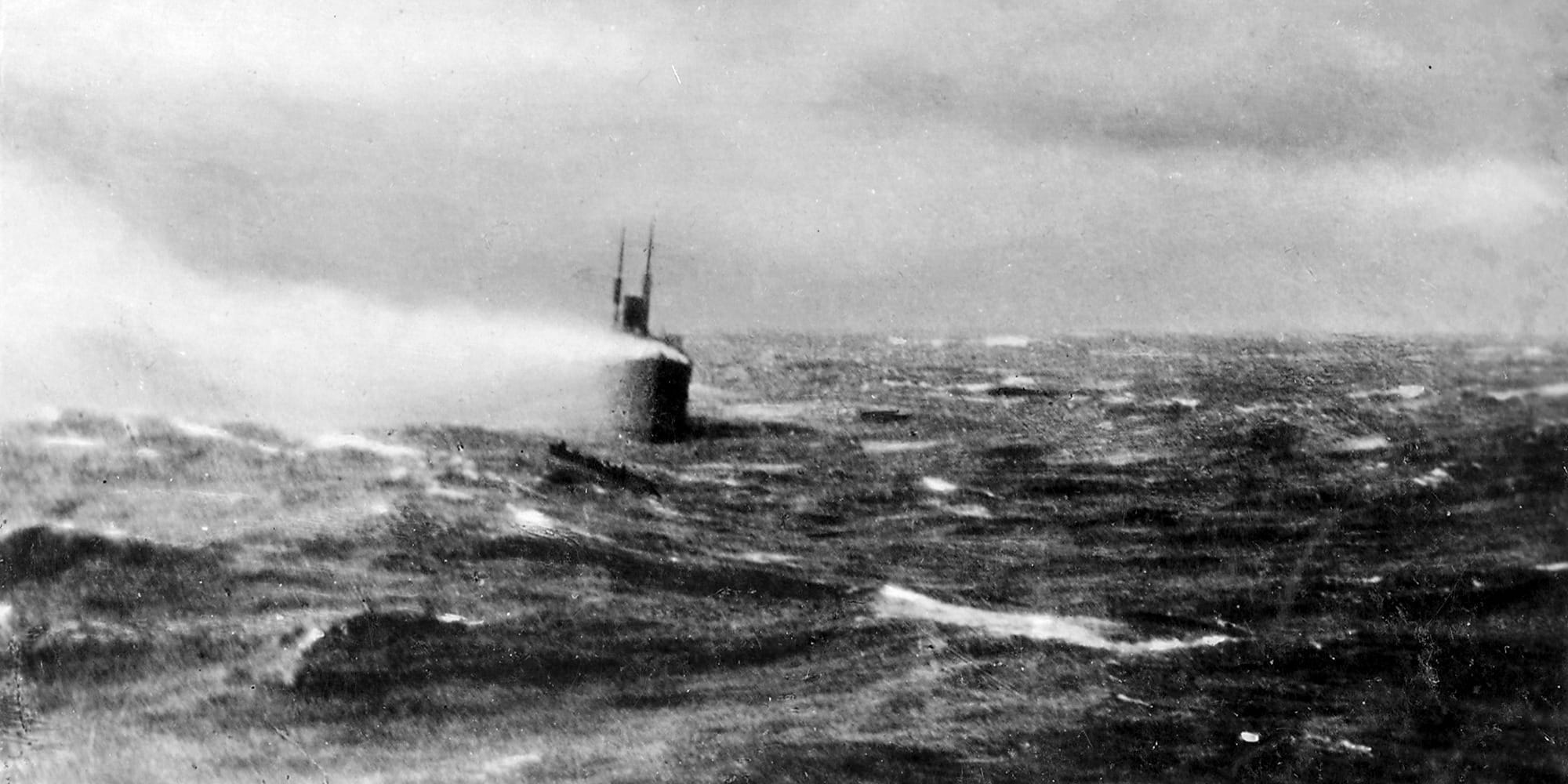
Annie: I’ve been inhaling audiobooks this summer—mostly things that are notably fun, fast, or fact-forward, forgiving of the multi-tasker. Last month I truly cackled my way through Jo Firestone’s reality TV-themed detective novel, Murder on Sex Island, at its best in her trembly deadpan. Now I’m waiting on the audio version of its follow-up, Sex on Murder Island…
By comparison, Valeria Luiselli’s new book, Beginning Middle End, wasn’t an obvious audio candidate for me. A spiritual sequel to her 2019 novel Lost Children Archive, it’s a myth- and memory-filled novella about a woman pondering her roles as a mother and a daughter post-divorce. Definitely not big on suspense. “Meditative” feels like a fair descriptor.
But the day it came out, I saw Luiselli and her publishers had made a whole website (and associated IG account) for what they called the “sonic book.” Almost immediately after pressing play, I got the rare feeling that this was the user experience the author hoped to prioritize.
At first, Luiselli narrates. Later, voices who seem to be her real-life daughter and mother take over. Throughout, the story is scored with field recordings made around Sicily, where the book takes place: wind, water, bells, volcanoes. Both choices could be hokey—too literal, or overkill. Instead, so satisfying! I thought often of Hannah Sassoon’s Issue One feature, “A Porous Place,” which Jackson scored with the ambient audio Hannah collected over weeks on the Larzac Plateau. As in that story, textured soundscapes forced me to slow down, surrender my focus to the grain of the language. I found myself tuning into the evening around me, too—trying to distinguish my wind from Luiselli’s wind, Texas crickets from Italian ones.
Online, you can listen to the book’s whole soundscape without narration (Luiselli suggests reading along with your eyes), see on a map where each recording was made, look at postcards described in the book and hear them read aloud. I love this choose-your-own-adventure approach—how it asks you to reconsider the relationships between reading, listening, and looking; what it means for a book to be a sensory object. So exciting: a book that trains you to hear! I hope our stories can do that, too.
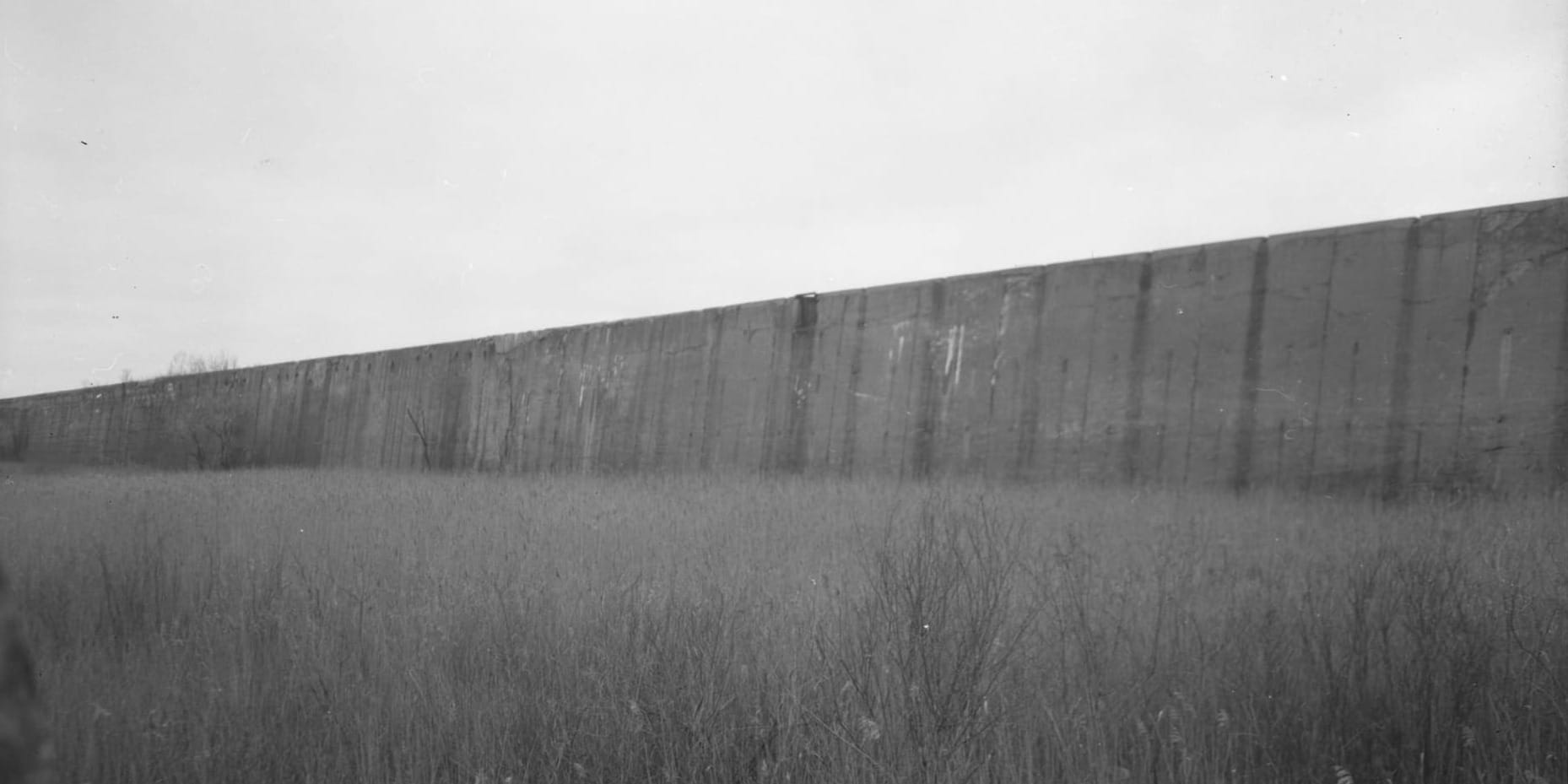
Jackson: A few weeks ago I drove to an eerie and beautiful park, by the lake, on the south side of Chicago, with some friends (including Liza). We parked by the side of the road and trudged through tall grass and shrubs towards a towering pair of massive concrete walls. They crumbled up out of the trees, parallel, a football field apart, maybe three storeys high, stretching off past the end of sight. Then we climbed down between them, on steps carved into the mud, into a kind of sunken forest, full of mosquitos and folding chairs and people. The walls trailed off ahead of us to frame a cloud-piled sky, like a rusty bucket full of cottage cheese.
In a clearing in the middle of this weird, weird place, we watched a production of Waiting for Godot, put on by the Propagate Cooperative. The play was staged in protest of this park’s impending distortion: from the exquisite ruin of a steel plant being reclaimed by cottonwoods and cliff swallows (now named Steelworkers Park in honor of the 20,000 people that worked there), into the site of a quantum computing research campus and data center backed by billions of state dollars and DARPA contracts.
Quantum computers require ungodly amounts of energy to run, and while no one has been able to build one that works well enough yet, they will theoretically be able to bypass all existing digital security in an instant, permanently making things like passwords and encryption obsolete. Many corporations and governments are desperate to build the first one that can do that, and this park (and the water and air of the surrounding neighborhoods) are in the sacrifice zone of that arms race. (People are, of course, fighting back.)
I’d never seen it before, but Beckett’s play is about two poor people waiting in a devastated landscape for someone who never arrives. They think he might have work for them to do, but they never find out. Until he shows up, though, they feel they can’t leave. In the meantime, they meet a man who has enslaved another. The enslaver eventually goes blind, and the enslaved one loses his ability to speak—but first he delivers one of the most terrifying monologues that I’ve ever heard in a play.
As we watched, sitting for many hours, the sun went down, the clouds turned pink and red and purple, and the wind between the walls made the trees whoosh and flicker. Lightning flashed over the lake, and huge herons twisted above us on the rising heat.
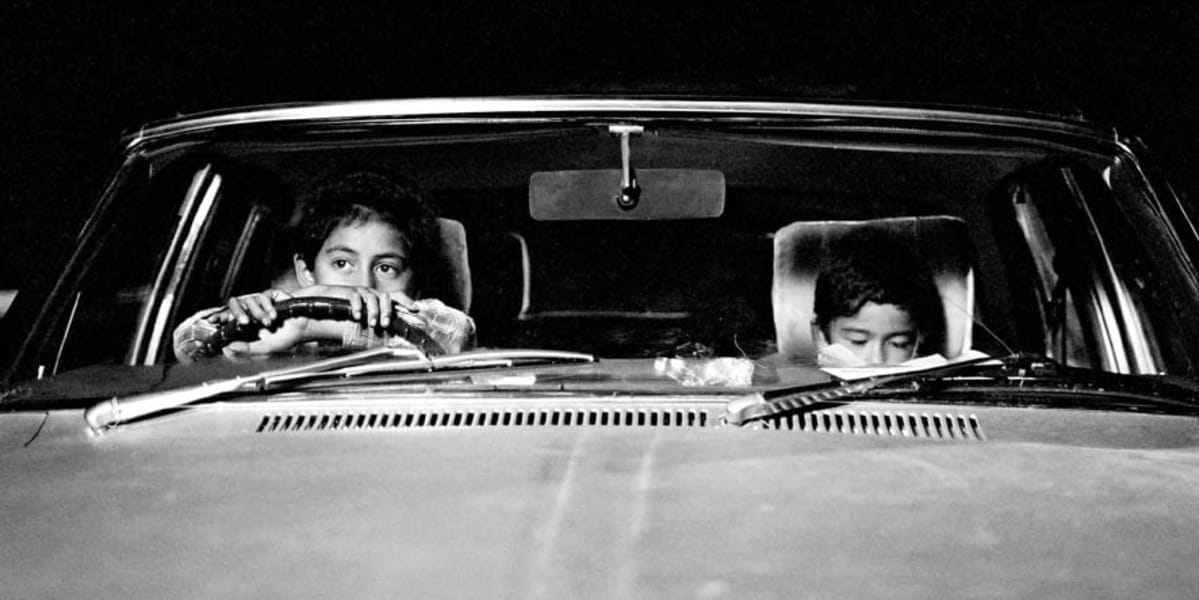
Lio: I watch movies in dogged, slightly deranged sequences that I imagine as unraveling skeins of used yarn, following one strand tied haphazardly to another until I’m down to the mangiest threads. This month I’ve been watching the peripheral creations of the New Zealand cohort helmed (sort of) by Taika Waititi, whose collective works I’ve tried to watch a couple of times and always found slightly too treacly, earnestly zany in a way that I couldn’t quite hold down. But earlier this month I watched Waititi’s first short film, Two Cars, One Night, and was surprised at how much I loved it. Part of the marvel of the film are its visible constraints. There really are just two cars. Shots are held long. Those constraints manifest as artistic restraint, in ways I have thought back to again and again and wished I could capture in my own work—whole characters that might have been lavished with time in a larger piece are, instead, made crystalline in the reference of a single sentence. A few days later I watched Boy, which feels in many ways like the short film’s spiritual successor. It, too, has an ecstatic freshness that feels borne of necessity, substituting hand-sketched animation for unachievable effects and careening through characters and ideas with a manic honesty that reminded me of Reservation Dogs. I’m a sucker for an indelible closing image, and this one ends in a dance that has been surfacing, unbidden, in my minds’ eye ever since.
PS. I wish I had a pure entry point into this oeuvre, but I regret to say that it began when a friend showed me the gay pirate show. If you’ve watched this, and you want to talk about it, hit me up, because none of my friends can stand to listen to me any more.
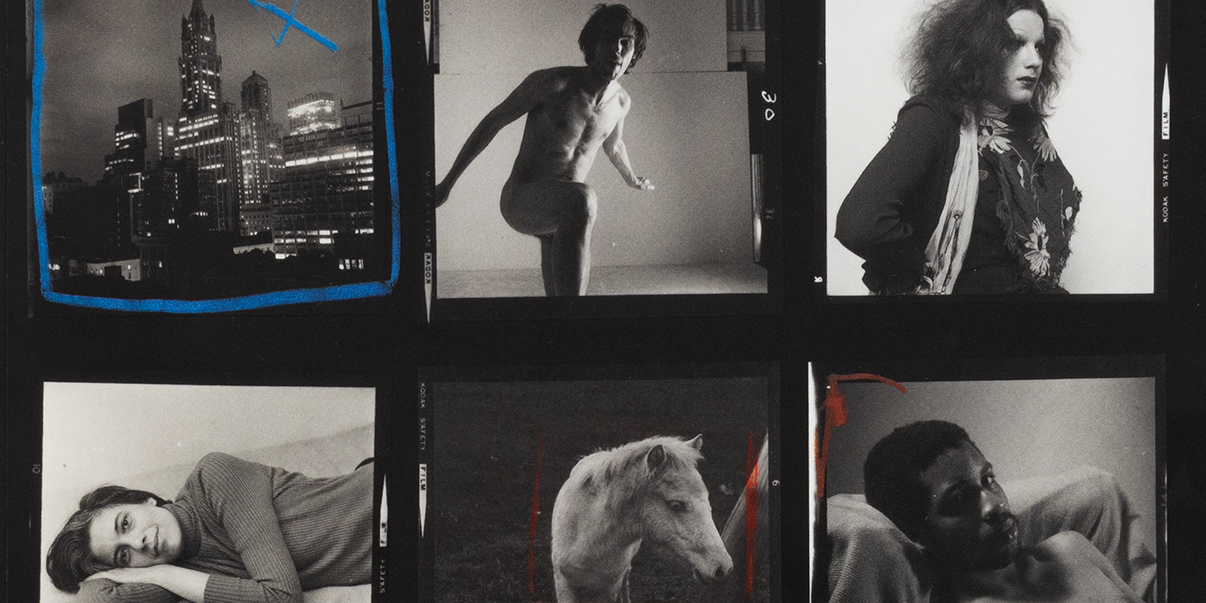
Omar: Peter Hujar is having a moment, which, truthfully, has had me rolling my eyes. I find Hujar, this photographer of East Village lore, kind of intolerable. In essays, even his closest friends describe him as someone they seemingly do not like. He was difficult, morose, rude, a caricature of a tortured artist. But recently, I went to Hujar:Contact, an exhibit at the Morgan Library (on through October 26th), where they’re displaying a collection of his contact sheets, the thumbnail-sized images of each frame of tape, the photos before the photos—the drafts folder, essentially—and… a flip switched. I started to get him.
Beginning from age 21, Hujar began cataloguing contact sheets from each job, assigning them a number. The exhibit unfolds one job at a time, frames marked up with edits for cropping and printing. Standing there with an oversized green magnifying lens, my friend and I studied these images, as Hujar might. His portraits, stark, austere, honest, are obviously iconic. It was so fun to observe them up close, the scrunched faces, the men kissing, the incredible shots of cows.
As I paced through the years, job number 312… 481… 602… passing photos that were mostly not good enough to print, what came into view was a portrait of Hujar’s life. Stood in front of this staggering array of work, I was overwhelmed by what it means, practically, to devote your time to art. It was totally inspiring. On the way out, my friend opened his Notes app to a list of names, the portraits he’d been meaning to take, and added a few more.
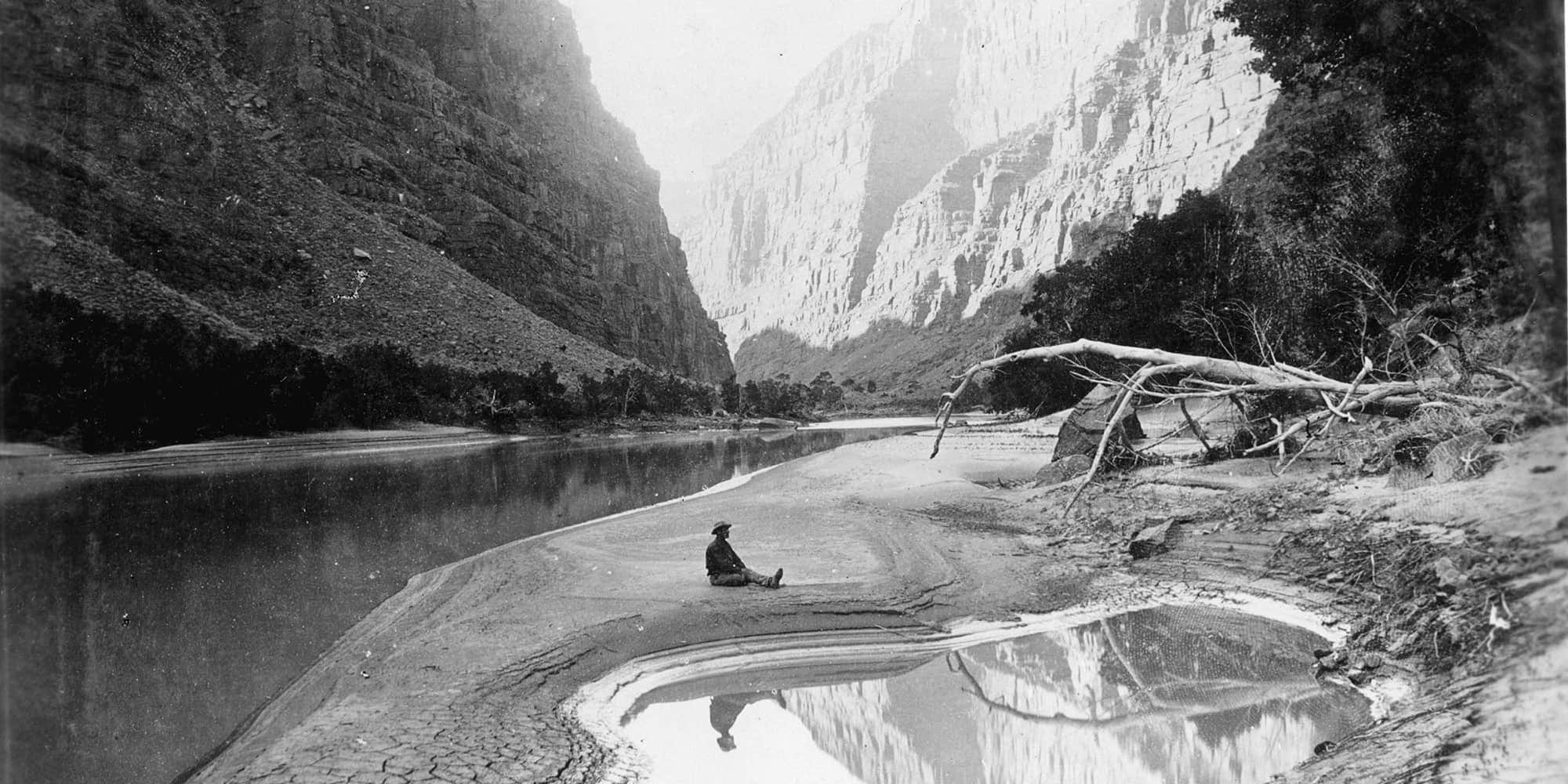
Liza: “I started down the river praying for all the ants I’d ever stepped on, for all the bugs that had ever smashed into my windshield. I prayed for dirt and discarded things. I prayed for all my forgotten memories.”
This is a line from the opening of one of my favorite radio stories ever, a perfect summer story, IMO: Scott Carrier’s “The Green River,” a series of vignettes from a long, solo canoe trip down a river in Utah. He made it in 1991, on assignment from Weekend All Things Considered (RIP freaky national radio programming!). He’d canoe for a week or so, then send back a dispatch to NPR about the things he saw and the people he talked to.
We hear him eating spam for breakfast with an out-of-work ranch hand, getting kicked out of an especially beautiful camping spot for trespassing, stripping naked to paddle a rough patch of the river “because if I was going to drown, it seemed better to drown naked,” and watching a crew of pelicans flying overhead, “holding the night, holding silence between themselves” as he brushes his teeth. Plus, there’s the stuff he thinks about as he’s paddling: imagining the ghosts of Abraham Lincoln and Crazy Horse on the banks, remembering his brother using a coke can to rappel down a cliff and swim in the creek down below, witnessing a river tragedy and telling us that “death is like a river, and all the words fall out of your head.” Everyone’s voice sounds like a poem, and also like a capsule from another time period, and the whole thing is glued together with music Scott recorded with a friend at his house.
I love all of Scott Carrier’s work, but I return to this story in particular over and over. Radio stories are so often very dramatic and plot-reliant, but this one reminds me that there’s another way: that you can have forward motion without big action, that you can be serious without being self-serious, that you can be deep and weird and poetic while still being completely plainspoken and straightforward, that normal life is the most poignant thing there is. I actually listen to it nearly every time I want to start scripting a piece of my own, and I recommend it to every new radio producer I meet. No one can really do it like Scott, but it is a joy to listen and try.
Thanks very much for reading, for listening, and for being with us. If you’re inspired by anything you hear in our issues, or these letters, or anything else you want to tell us about, you can always send us a note (or a voice memo). Reply to this email, or get in touch at editors@signalhill.fm.
🌀
The Editors
For more like this in your inbox every month, become a Signal Hill Member.
Support Signal Hill